Settling in Mexico is an exciting project. Between its vibrant culture, world-renowned gastronomy, sunny climate, and growing economic opportunities, the country attracts thousands of expats, digital nomads, families, and retirees every year. But like any international move, a successful expatriation relies on solid preparation.
Whether you are coming for work, business creation, retirement, or a lifestyle change, understanding how local systems work will greatly ease your transition. Here is the essential information you should know before packing your bags for Mexico.
1. A vast country with highly diverse regions, climates, and lifestyles
Mexico is a gigantic country (nearly two million square kilometers) offering an impressive geographical and cultural diversity. Your choice of host city will radically shape your experience:
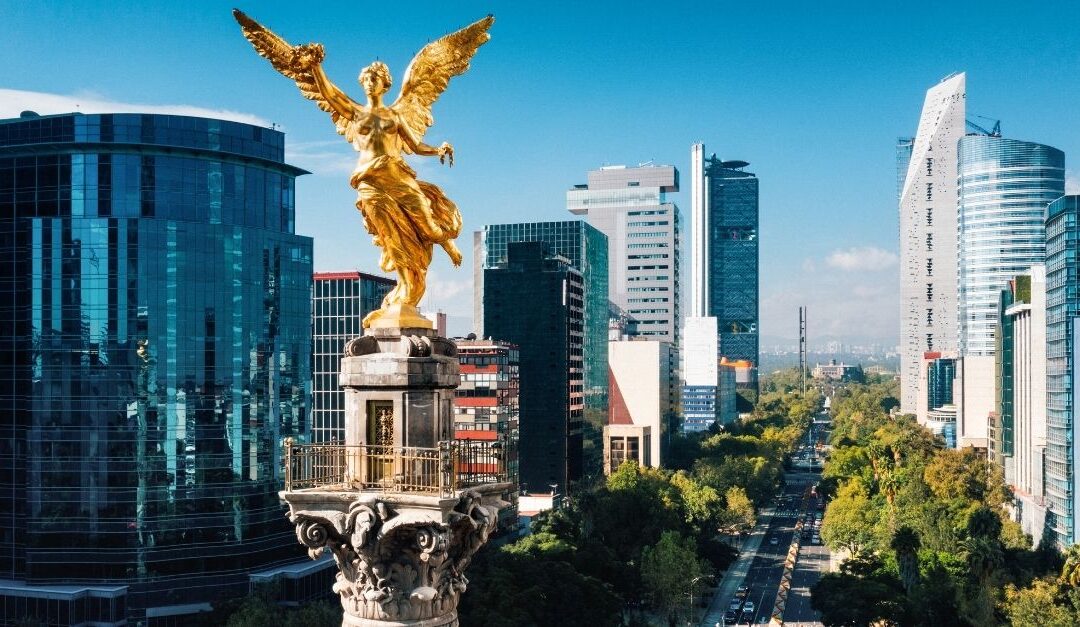
- Mexico City (CDMX): The economic, financial, and cultural heart of the country. Ideal for professionals, tech, finance, and creative industries. A cosmopolitan metropolis nestled at high altitude.
- Monterrey: The industrial and commercial hub of the North, economically very dynamic, close to the U.S. border, and favored by executives and engineers.
- Guadalajara: The cultural and technological capital (the “Silicon Valley” of Mexico), perfect for innovation, tradition, and an excellent quality of life.
- Querétaro & San Miguel de Allende: Located in the central Bajío region, these cities offer high safety, exceptional colonial heritage, and a strong international community.
- Cancún, Playa del Carmen & Tulum (Riviera Maya): The Caribbean paradise, very popular with digital nomads, tourism entrepreneurs, and retirees.
Key point: Climate, cost of living, safety, and job opportunities vary greatly from one Mexican state to another.
2. Housing: a flexible but loosely regulated market
Unlike some European or North American countries, the rental market in Mexico is more flexible, although it comes with its own set of rules:
- Guarantees required: For a long-term lease (1 year), landlords often request a fiador (a local guarantor owning unmortgaged property in the same city) or the purchase of a póliza jurídica (legal rental insurance).
- Abundant furnished options: Furnished apartments are very common, especially in tourist areas and major metropolitan cities.
- Price disparities: Mexico City, Monterrey, and the Riviera Maya feature the highest rents in the country, while secondary cities offer unbeatable value for money.
Tip: Book temporary accommodation for your first few weeks on-site to visit neighborhoods in person and negotiate your lease directly.
3. Visas and administrative procedures
Mexico has clear immigration procedures managed by the Instituto Nacional de Migración (INM):
- FMM (Tourist Visa): Allows stays of up to 180 days (depending on the border officer’s decision upon arrival), but does not permit local employment.
- Temporary Residence (Residente Temporal): Ideal for expats, remote workers (via proof of foreign income), students, or investors. Valid for 1 to 4 years.
- Permanent Residence (Residente Permanente): Intended for retirees (subject to income requirements), family ties, or accessible after 4 years of temporary residence.
Once on-site, you will need to finalize your immigration process to obtain your residence card (the canje process), register your CURP (national identification number), and open a local bank account.
4. Language: Spanish is essential in daily life
Although English is spoken in tourist areas, major hotels, and multinational companies, Spanish is the official language of daily life and business in Mexico.
Mastering Spanish will allow you to:
- Easily manage your administrative procedures and contracts.
- Create genuine bonds with locals, known for their great hospitality.
- Negotiate your purchases and services at a fair price.
- Better integrate into the social and professional fabric.
5. Safety: understanding local realities
The question of safety in Mexico requires a pragmatic and nuanced approach:
- The safety situation varies considerably by state and city. Many regions (such as Yucatán, Querétaro, or certain areas of Mexico City) display very satisfactory safety levels for expats.
- It is advisable to adopt basic precautionary rules: avoid driving at night on secondary roads, favor official taxis or ride-hailing apps (Uber, DiDi), and remain vigilant in less frequented areas.
6. Work culture: relationship-oriented, courteous, and hierarchical
The Mexican work environment relies heavily on human relationships and friendliness:
- Networking and trust: Business is done primarily between people who like each other. Take time to socialize and get to know colleagues over coffee or lunch.
- Politeness and formal courtesy: Communication is indirect and very polite. Saying “no” directly is rare; softer phrasing is preferred.
- Punctuality and flexibility: Time flexibility is common in social life, although rigor remains the standard in major corporate environments.
7. Quality of life: an affordable cost and a rich culture
Mexico offers an exceptional living environment that appeals to the majority of expats:
- Advantageous purchasing power: Services, local food, leisure, and transport remain very affordable compared to Europe or North America.
- Climate and nature: From Caribbean beaches to central mountains and northern deserts, the climate is generally mild and sunny.
- Gastronomy and culture: Classified as UNESCO Intangible Cultural Heritage, Mexican cuisine is infinitely rich, as are traditional festivities and pre-Columbian history.
8. Logistics and shipping your belongings to Mexico
An international move to Mexico requires rigorous planning:
- Household goods exemption (Menaje de Casa): Temporary or permanent residents can benefit, under certain conditions, from a customs duty exemption for importing their used personal belongings via a consular certificate.
- Customs logistics: Working with an experienced international moving company familiar with the Mexican market is essential for handling formalities at ports or land borders.
Ready to take the step toward settling in Mexico?
Moving to Mexico is much more than a simple change of address: it is a true immersion into a warm, dynamic, and welcoming culture. With proper administrative preparation, an open mindset, and tailored logistical support, your installation in Mexico will be an enriching and successful experience.