
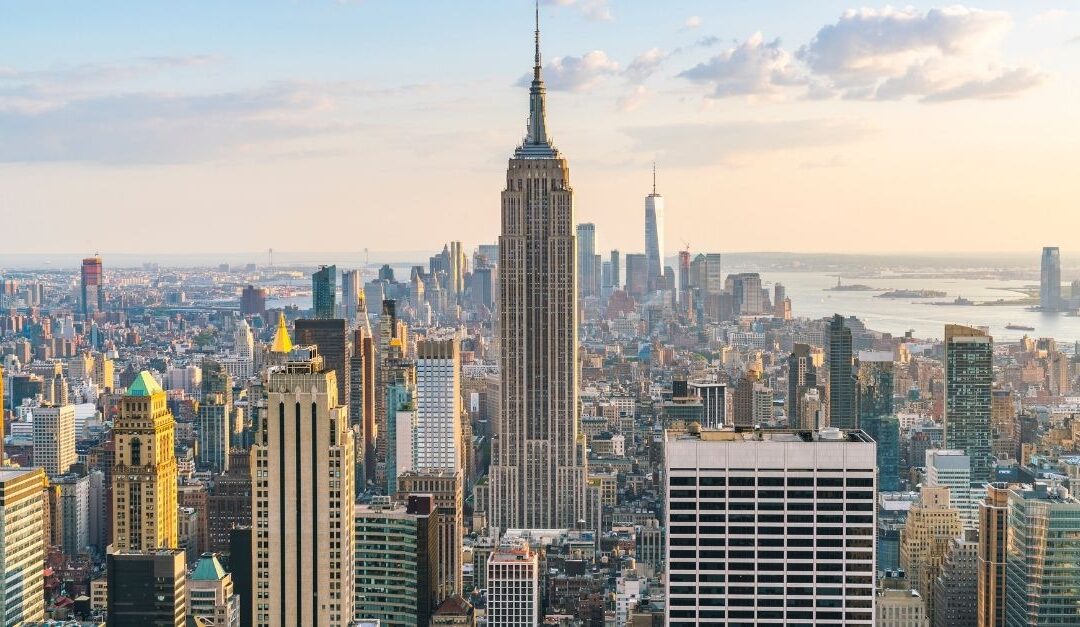
In 2026, the United States continues to exert a unique pull. For some, it represents the promise of a vast and demanding job market. For others, it is a place to reinvent their path, take bold risks, or give new momentum to their career. The country remains a magnet for talent, entrepreneurs, researchers, and students seeking to grow in an environment where innovation, competition, and freedom play a central role.
Behind this image of a land of opportunity lies a more nuanced reality. Moving to the United States requires preparation, clarity, and a solid understanding of local dynamics. Here is what newcomers truly need to anticipate.
1. A demanding immigration system built around skills
Access to the United States is largely based on professional qualifications. Specialized visas — particularly in technology, healthcare, engineering, cybersecurity, or research — remain the most reliable entry points. Employer sponsorship is still the norm, and administrative timelines can vary widely. The most successful candidates are those who arrive with a complete file, a clearly defined expertise, and the ability to demonstrate their value in a highly competitive job market.
2. A vast country with multiple realities
Seeing the United States as a single, uniform experience would be a mistake. The country is a mosaic of cultures, rhythms, and economic priorities that differ from one state to another.
- New York embodies intensity and cultural vibrancy. Los Angeles blends creativity, entertainment, and technological innovation.
- Austin, Dallas, and Houston are emerging as major economic hubs. Miami attracts a new generation of entrepreneurs and mobile professionals.
- Seattle and San Francisco remain technological powerhouses, despite accessibility challenges.
- Denver, Atlanta, Charlotte, and Minneapolis offer a sought‑after balance between dynamism and quality of life.
- For newcomers, choosing a city shapes the cost of living, professional opportunities, climate, and even lifestyle.

3. A climate of contrasts, sometimes extreme
The United States spans nearly every climate imaginable. This diversity also brings significant natural risks: harsh winters in the Northeast, heat waves in the South, hurricanes along the Gulf Coast, droughts and wildfires in the West. Understanding local conditions is not a detail — it is an essential part of preparation.
4. A dynamic but demanding job market
The American job market remains one of the most competitive in the world. Growing sectors — technology, artificial intelligence, healthcare, finance, energy, logistics — offer real opportunities. But competition is intense, and expectations are high. Employers value initiative, problem solving, adaptability, and direct communication. American workplace culture emphasizes speed, individual responsibility, and the ability to demonstrate one’s contribution.
Networking plays a decisive role. Recommendations, contacts, and visibility often matter as much as skills themselves.
5. A cost of living that varies widely — and can be surprising
The cost of living depends almost entirely on where one settles. Some metropolitan areas rank among the most expensive in the world, while other regions offer far more accessible living conditions. Housing is the most significant expense, but another element often surprises newcomers: the healthcare system. Largely private, it relies on insurance, often tied to employment. Understanding coverage, limitations, and costs is essential.
6. Preparing for arrival: essential, not optional
Moving to the United States requires meticulous preparation. Academic documents, professional references, medical records, financial information — everything must be ready and organized. Understanding tax obligations, visa rules, insurance, and administrative specifics helps avoid costly mistakes. Building a network even before arriving greatly facilitates integration.
7. Why so many newcomers choose to stay
Despite its challenges, the United States offers something rare: a place where one can try, create, fail, start over, and sometimes succeed beyond expectations. The country attracts with its energy, diversity, pragmatism, and its ability to reward boldness. For many, moving there becomes less an expatriation project than a true turning point in life.
Looking ahead
Moving to the United States in 2026 means entering a country in constant motion, where opportunities exist but must be earned. With solid preparation, a clear vision, and resilience, the transition can become one of the most enriching experiences of a lifetime. The United States promises nothing — but it offers the possibility of building something new, and for many, that is precisely what they come seeking.